Many people today feel overwhelmed by constant thoughts, stress, emotional exhaustion, and the pressure of everyday responsibilities. A common question people search for is: What is spiritual meditation, and how can it help create a sense of inner balance? Unlike simply relaxing the mind, spiritual meditation focuses on developing deeper awareness, self-connection, and a calmer relationship with thoughts and emotions.
Across the USA, more people are exploring mindful wellness practices that support mental clarity and emotional harmony. PRANA Natural Alignment shares educational Ayurvedic wisdom and mindful living guidance designed to help individuals understand natural balance through traditional practices and modern wellness approaches.
What Is Spiritual Meditation and How Does It Work?
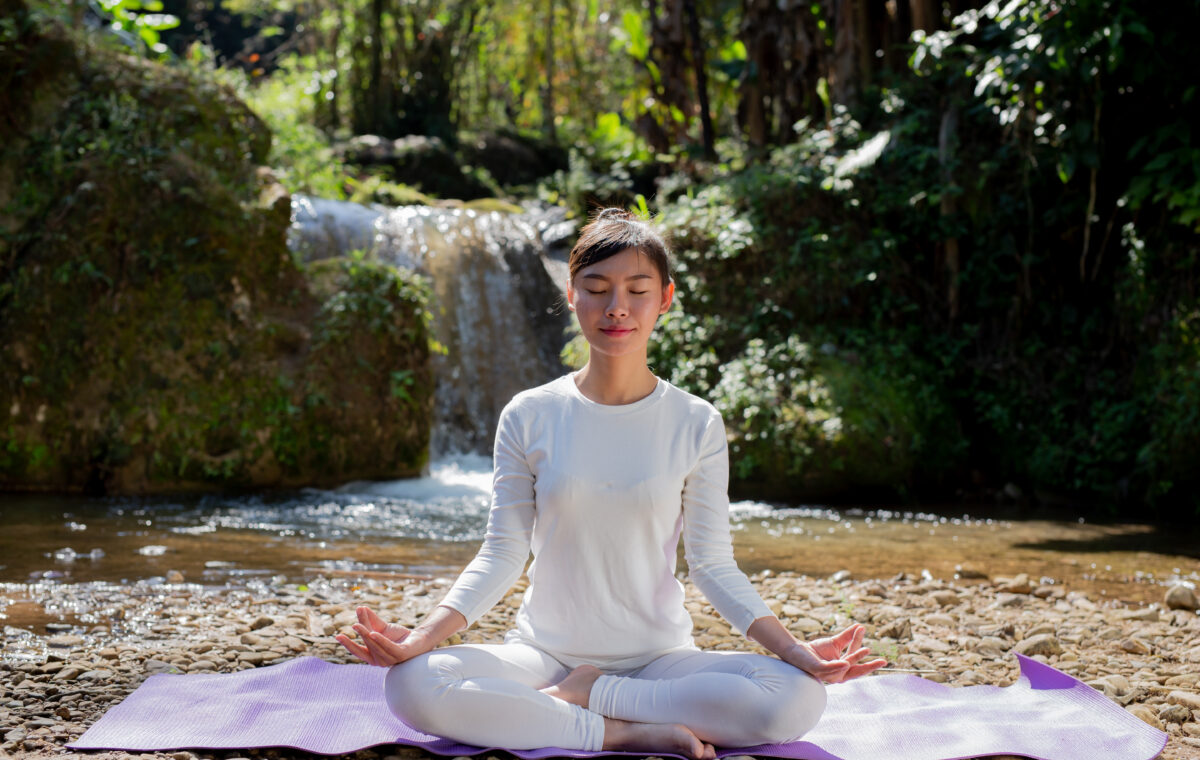
Spiritual meditation is a mindfulness practice that encourages deeper self-awareness, inner peace, and connection with one’s thoughts, emotions, and sense of purpose. It involves quieting mental distractions, observing the present moment, and creating space for personal reflection.
Unlike meditation practices that focus only on relaxation or concentration, spiritual meditation explores the relationship between the mind, body, and inner awareness. It helps individuals move beyond daily stress patterns and develop a more balanced perspective toward life.
A beginner does not need special equipment or previous experience to start. A simple practice can begin with a few minutes of quiet sitting, mindful breathing, and observing thoughts without judgment.
Common elements of this practice include:
- Mindful breathing: Paying attention to each breath to bring awareness into the present moment.
- Self-reflection: Exploring emotions, habits, and personal intentions.
- Visualization: Using peaceful images or ideas to encourage mental clarity.
- Silence and awareness: Creating moments of stillness to reconnect with yourself.
From an Ayurvedic perspective, meditation is often viewed as a way to support harmony between the mind, body, and natural rhythms. Ayurveda teaches that maintaining balance is essential for overall wellness, and meditation can become an important part of a mindful lifestyle.
For individuals experiencing emotional restlessness, understanding vata anxiety can also provide insight into how movement, thoughts, and stress patterns may affect overall balance. Ayurveda associates excess Vata qualities with increased activity in the nervous system, which may create feelings of worry, scattered thinking, or difficulty slowing down.
How to Begin Spiritual Meditation: A Simple Step-by-Step Process
Most beginners can start spiritual meditation with a simple 5-step routine that takes only a few minutes each day. The goal is not to completely stop thinking but to develop awareness and a healthier relationship with thoughts.
Many people avoid meditation because they believe they must clear their mind completely. In reality, meditation is a practice of noticing thoughts rather than fighting them.
A beginner-friendly approach includes:
1. Create a Comfortable Space
Choose a quiet area where you can sit comfortably without frequent interruptions. This space does not need to be large or specially designed. A peaceful corner of your home can become a place for reflection.
2. Focus on Your Breathing
Begin by taking slow, natural breaths. Notice the movement of your body as you breathe in and out. This simple practice helps bring attention away from distractions.
3. Observe Your Thoughts
Thoughts may appear during meditation, and that is completely normal. Instead of judging yourself, gently acknowledge the thought and return your attention to your breath or chosen focus.
4. Practice Consistently
A short daily practice often creates more benefits than occasional longer sessions. Many beginners start with five to ten minutes and gradually increase their time.
5. End With Reflection
After meditation, take a moment to notice how you feel. Over time, this awareness can help you understand your emotional patterns and create more mindful responses.
People exploring meditation through Ayurveda may also learn about vata dosha symptoms, as recognizing personal patterns can support a more personalized wellness routine. Ayurveda describes Vata as an energy associated with movement and change, and imbalance may influence areas such as focus, relaxation, and daily habits.
Discover More Mindful Meditation Guides
Benefits of Spiritual Meditation for Mind and Body
The main benefit of spiritual meditation is developing greater awareness, calmness, and emotional balance in everyday life.
A consistent meditation practice may support:
- Improved ability to manage daily stress
- Greater emotional awareness
- Better focus and mental clarity
- A stronger sense of inner connection
- More mindful decision-making
- A calmer approach to challenges
- Increased self-reflection and personal growth
Spiritual meditation can be beneficial for many different people, including:
- Beginners looking for a simple mindfulness practice
- Individuals experiencing busy or stressful lifestyles
- People interested in holistic wellness approaches
- Those wanting to develop a deeper connection with themselves
Ayurvedic wellness focuses on understanding individual needs rather than following a one-size-fits-all approach. Learning about the symptoms of vata imbalance can help individuals recognize when their lifestyle may need more grounding practices, including relaxation techniques, mindful routines, and balanced daily habits.
The Ayurvedic Connection Between Meditation and Natural Balance
Ayurveda views wellness as a connection between physical health, mental clarity, emotions, and lifestyle choices. Meditation is considered a supportive practice because it encourages awareness and helps individuals observe their internal state.
Traditional Ayurvedic approaches often emphasize creating balance through:
- Consistent daily routines
- Mindful eating habits
- Proper rest and relaxation
- Connection with nature
- Breath awareness practices
Spiritual meditation fits naturally into this philosophy because it encourages people to slow down and reconnect with their natural rhythm.
The practice is not about achieving perfection. Instead, it is about developing patience, awareness, and a deeper understanding of yourself.
How to Practice Spiritual Meditation Safely and Effectively
A safe meditation practice begins with realistic expectations. Meditation is a skill that develops gradually, and beginners should focus on consistency rather than trying to achieve a specific experience.
A mindful approach includes:
Start Slowly
Beginning with short sessions allows your mind and body to adjust naturally. Longer sessions can be introduced as comfort increases.
Choose Practices That Feel Supportive
Different meditation styles work for different people. Some may prefer breath awareness, while others may connect more with guided reflection or visualization.
Maintain a Balanced Lifestyle
Meditation works best when combined with healthy daily habits, including proper sleep, movement, nourishing food choices, and moments of relaxation.
Learn From Reliable Sources
Ayurvedic and mindfulness practices should be approached with respect for their traditional roots. Educational resources can help beginners understand concepts clearly and apply them thoughtfully.
Why Choose PRANA Natural Alignment?
Choosing a trusted wellness education platform can help beginners understand meditation and Ayurveda without unnecessary complexity. PRANA Natural Alignment provides approachable resources focused on Ayurvedic wisdom, mindful living practices, and natural balance for individuals across the USA.
Rather than presenting wellness as a quick solution, the platform focuses on education and practical guidance. Readers can explore traditional concepts in a simple way and learn how mindful practices may fit into their everyday routines.
A reliable wellness approach should encourage curiosity, awareness, and personal understanding while respecting each individual’s unique experience.
Conclusion
Spiritual meditation is not about escaping daily responsibilities or eliminating every thought. It is a practice of developing awareness, creating inner space, and building a stronger connection with yourself. Even a few mindful minutes each day can become a meaningful step toward greater balance and clarity.
For those interested in exploring Ayurveda, mindfulness, and natural wellness practices, PRANA Natural Alignment offers educational guidance to help you begin your journey. Explore resources, learn mindful techniques, and discover practices that support your path toward natural balance.
Frequently Asked Questions
What is spiritual meditation for beginners?
Spiritual meditation is a practice that helps beginners develop self-awareness, inner calm, and a deeper connection with their thoughts and emotions. It can start with simple breathing exercises and a few minutes of quiet reflection each day.
How long should I practice spiritual meditation each day?
Beginners can start with 5 to 10 minutes daily and gradually increase their practice time. Consistency is more important than practicing for long periods occasionally.
Can I find spiritual meditation near me?
Many wellness centers, meditation groups, and online educational platforms offer spiritual meditation guidance. Beginners can also learn basic practices at home through trusted resources.
Does spiritual meditation have a cost?
The cost of spiritual meditation varies depending on the type of guidance, classes, or programs chosen. Many basic meditation practices can be learned for free through educational resources, while guided sessions may have different pricing.
How does spiritual meditation support emotional balance?
Spiritual meditation encourages awareness of thoughts and emotions, helping individuals respond to experiences more calmly. Regular practice may support a more mindful and balanced approach to daily life.
This article is general educational writing about Ayurveda and mindful living. It is not medical advice, diagnosis or treatment, and it is not tailored to your circumstances.
Ayurveda is a traditional system of knowledge. Descriptions of traditional use reflect longstanding practice and have not been evaluated by the Food and Drug Administration.
Before starting any new practice, herb, oil or dietary change — particularly if you are pregnant or nursing, managing a health condition, or taking prescription medication — talk with your physician or another qualified healthcare provider.
In an emergency, call 911. If you are in emotional distress or crisis, the 988 Suicide and Crisis Lifeline is available by calling or texting 988.